Wildlife Management Plan for
Marat Longri Wildlife Sanctuary, Assam
Marat Longri Wildlife Sanctuary, Assam
Developing a comprehensive, policy-aligned wildlife management plan to strengthen habitat conservation, ecological connectivity, and human–wildlife conflict mitigation in a critical biodiversity landscape.
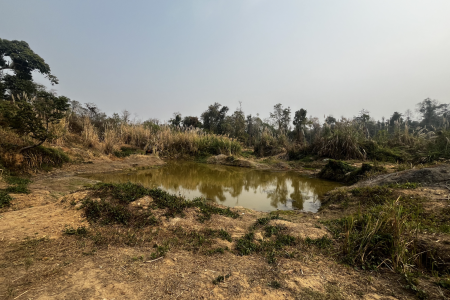
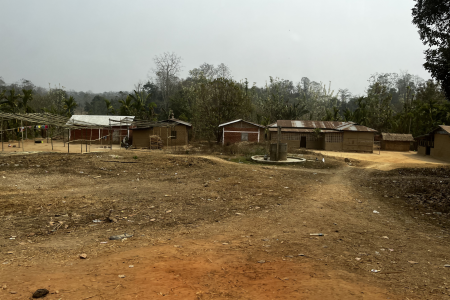
Marat Longri Wildlife Sanctuary, located within the Indo-Burma biodiversity hotspot, represents a critical ecological landscape supporting diverse flora and fauna, including key species such as elephants, hoolock gibbons, and hornbills. However, the region faces increasing pressures from habitat degradation, shifting cultivation practices, and rising human–wildlife conflict, threatening both ecological balance and community livelihoods.
Recognizing the need for a structured and science-based management framework, CSGE undertook the development of a comprehensive Wildlife Management Plan for the sanctuary in collaboration with the Assam Forest Department, Karbi Anglong Autonomous Council, and local stakeholders. The objective was to create a long-term, policy-aligned strategy that integrates conservation priorities with community needs and sustainable development goals.
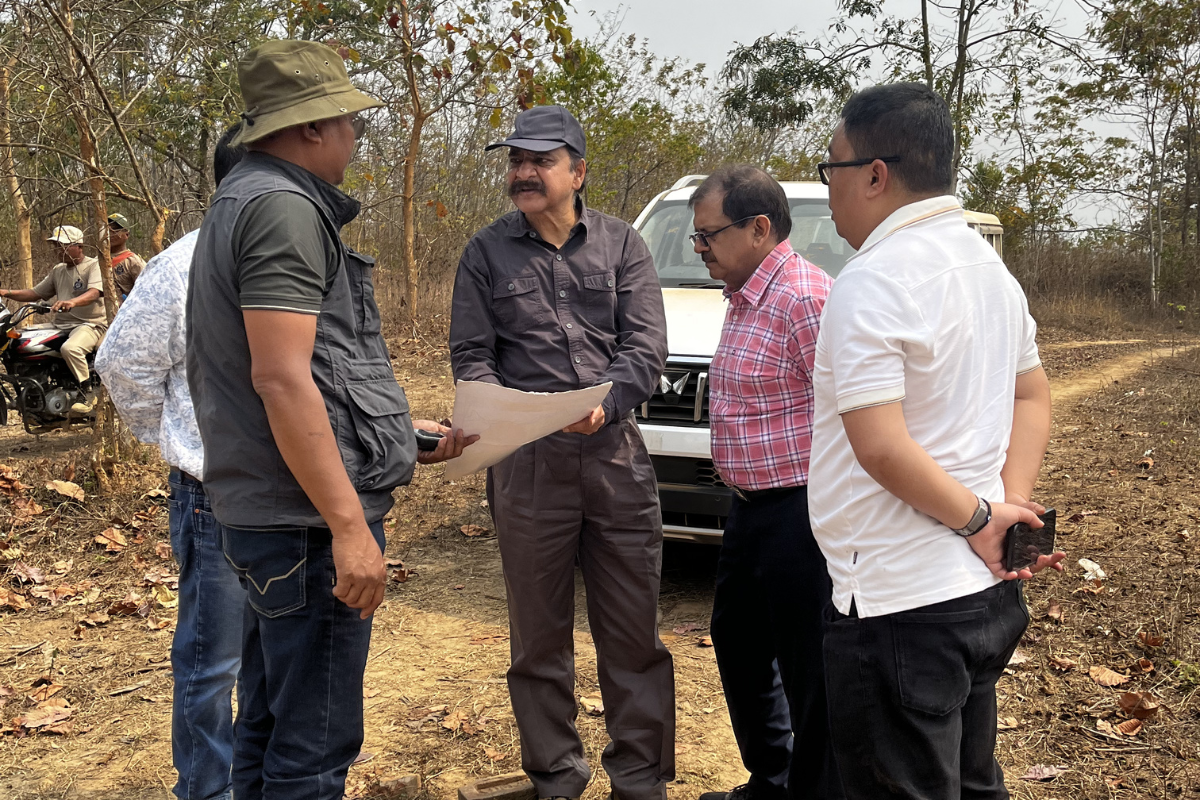
CSGE adopted a multidisciplinary and participatory approach to design the management plan with specific sector wise prescriptions, combining scientific analysis with on-ground insights, including:
- Landscape-level habitat assessment and ecological zoning
- Planning for elephant corridors and habitat connectivity
- Strategies for mitigating human–wildlife conflict
- Integration of community-based conservation and livelihood models
- GIS-based spatial analysis and field surveys aligned with national protocols
Through this initiative, CSGE transformed fragmented ecological and socio-economic challenges into a cohesive, actionable management framework. The plan strengthens habitat connectivity, enhances species protection, and reduces conflict risks while promoting sustainable livelihoods for local communities. By aligning scientific research, policy frameworks, and grassroots participation, CSGE delivered a scalable model for conservation planning—demonstrating its capability to drive long-term ecological resilience in complex, high-value landscapes.